

Occlusion of the Central Retinal Artery (CRAO) is the Eye’s Analog of Ischemic Stroke
Although rarely associated with experiencing pain, there are eye conditions that require immediate medical intervention. Timely recognition is key to preserving vision. One such condition is the central retinal artery occlusion (CRAO). What it is, what the symptoms are, and what treatment should be urgently undertaken is explained by Dr. Risto Trajkovski*.

Dr. Trajkovski is one of the most experienced specialists at the Specialized Eye Clinic ‘PENTAGRAM’. He was born in the Republic of North Macedonia but completed his higher education at the Medical University – Sofia. Almost his entire professional career is tied to our country. His clinical interests lie in the surgical treatment of diseases of the anterior and posterior eye segments, as well as refractive surgery.
Dr. Trajkovski consults patients with a referral through the NHIF, through a health fund, or for a fee, according to the patient’s preferences. You can book an appointment for consultation HERE or by calling 0700 91 191.
Central retinal artery occlusion (CRAO) is an urgent medical and ophthalmic condition. Patients typically experience sudden, painless vision loss in one eye – with 80% of affected individuals having residual visual acuity limited to counting fingers or even less. CRAO usually occurs secondary to systemic diseases—often carotid artery disease or heart valve disease, with other significant etiological factors including atrial fibrillation and autoimmune diseases.
Therapy upon the onset of CRAO includes the application of vasodilators, mannitol, or acetazolamide to reduce intraocular pressure, intravenous or intra-arterial thrombolysis. CRAO is the ocular equivalent of ischemic stroke, which determines the similarity in the clinical approach to treatment – acute incident management, identification of the site of vascular occlusion, and secondary prevention to avoid further occurrences. The effect of therapy with Tenecteplase includes improvement in the vision of the affected eye and complete recanalization of the occluded branch of the central retinal artery (CRA).
In approximately 17% of patients, significant improvement in visual acuity may occur without treatment, possibly due to spontaneous retinal reperfusion before the onset of permanent damage. The incidence of CRAO is 1 to 2 per 100,000 population, with a predilection for males and an average age between 60-65 years.
The main risk factors for CRAO can be classified as non-arteritic and arteritic.
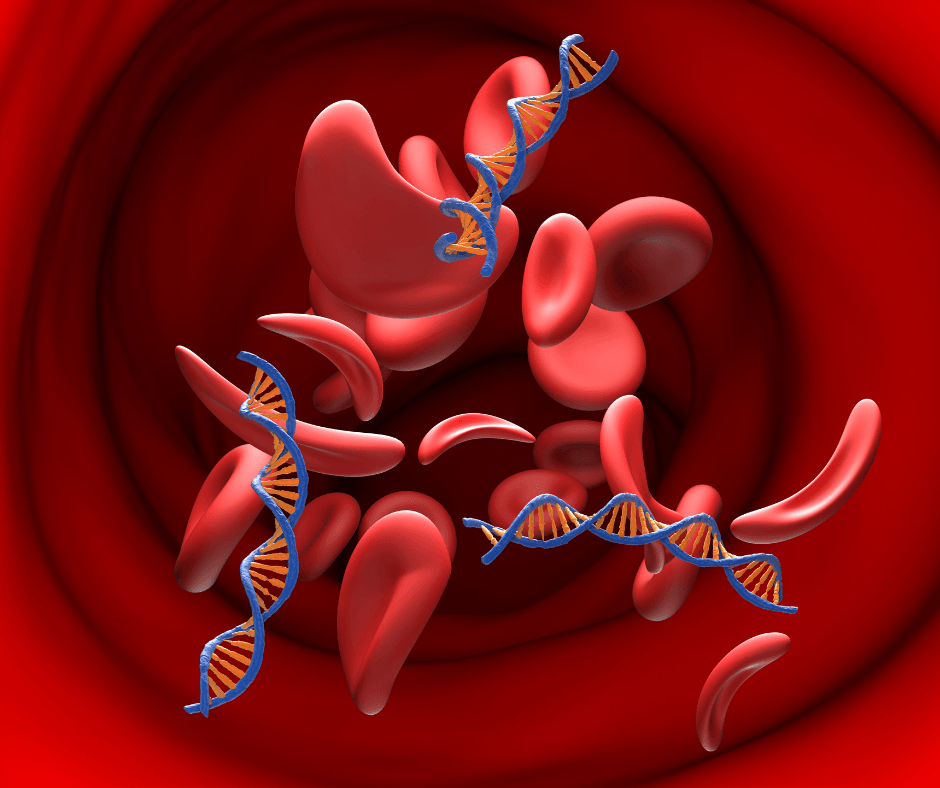
Non-arteritic: Over 90% of CRAO cases are of non-arteritic etiology. The most commonly identified cause is atherosclerosis of the ipsilateral carotid artery, occurring in up to 70% of patients with CRAO or branch retinal artery occlusion. Other causes may include cardiogenic embolism, hematological diseases (sickle cell anemia, hypercoagulable state, leukemia, lymphoma), and other vascular diseases such as carotid artery dissection and Fabry disease.
Arteritic: The most common causes of CRAO with arteritic etiology are primarily associated with giant cell arteritis, but also systemic lupus erythematosus, polyarteritis nodosa, Susac’s syndrome, granulomatosis with polyangiitis.
Typically, CRAO presents as sudden, painless monocular loss of visual acuity and peripheral vision. The degree of visual loss is variable: in over 80% of patients, initial visual acuity is counting fingers or worse, but it can be almost preserved if a cilioretinal artery is present. Impaired color vision is proportional to visual acuity. Most patients have an impaired pupillary reaction (which may not manifest with contralateral optic neuropathy). Typical fundoscopic findings include retinal edema (manifesting as retinal whitening), a ‘cherry-red spot’—a bright red area in the macular region against a pale retina due to preserved choroidal circulation; delayed segmental blood flow in the retinal arteries, which are attenuated; and typically a normally appearing optic disc. Retinal emboli may be seen in branches of the retinal artery in only 10% of cases, as the majority of CRA is located retrobulbarly.
Ophthalmological assessment includes fundoscopy under mydriasis or a color photograph of the fundus without pupil dilation, necessary to confirm the diagnosis and exclude other diseases that could cause acute painless vision loss such as chorioretinal hemorrhage, retinal detachment, and acute optic neuropathy. Less commonly, anterior segment diseases (cornea and lens) can cause acute vision loss. If possible, the diagnosis of CRAO should be confirmed by an ophthalmologist. If this is not possible and the treating physician is unsure of the diagnosis, a color photograph of the fundus can be performed. and sent to an eye specialist through the capabilities of telemedicine. In the early stages of occlusion, the fundus may appear relatively normal and well-perfused. In cases of sudden, painless vision loss, with an impaired light reflex, intact retina, and normal optic disc, there is high suspicion for CRAO. Imaging studies such as optical coherence tomography angiography (OCTA) or fluorescein angiography assist in the diagnosis. OCTA can quickly and easily detect retinal edema in the acute stage. Fluorescein angiography can reveal delayed or absent retinal perfusion and occlusion of retinal arterial branches, but it takes longer and is not usually necessary for a definitive diagnosis.

The condition requires rapid medical intervention.. The retina cannot remain non-perfused for more than 15-30 minutes.It is believed that within three hours of the blockage, success can sometimes be achieved, likely in cases of partial occlusions. If the occlusion is caused by an embolus, every effort is made to push it into more peripheral vessels. To induce ocular hypotony, an ocular globe massage can be performed, and anterior chamber paracentesis may also be considered. Vasodilators such as Trental 4x100mg, administered fractionally via IV, or Pentoxifylline are mandatory. In the absence of these medications, Nitroglycerin (½-1 tablet sublingually) may be used. To reduce intraocular pressure, intravenous administration of mannitol or acetazolamide can be used. If there is retinal edema with an arteritic etiology, intravenous methylprednisolone is applied. Intravenous or intra-arterial thrombolysis is offered for thrombus dissolution. As of today, the American Heart Association’s guidelines on acute ischemic stroke treatment do not specifically include CRAO. However, CRAO, causing retinal ischemia, aligns with the definition of acute ischemic stroke (including cerebral and spinal ischemia). Patients with CRAO and moderate or high-grade carotid stenosis should be treated as symptomatic and, according to current guidelines, should be referred for assessment for cervical revascularization within 2 weeks of the last incident.
Intravenous thrombolysis is an evidence-based therapy for the treatment of acute ischemic stroke. In patients with symptoms within 4.5 hours and with no evidence of intracranial or systemic hemorrhage, it improves long-term functional outcomes. The medications used are recombinant tissue plasminogen activator alteplase at a dose of 0.9 mg/kg, and tenecteplase 0.25 mg/kg.
Since 1960, the empirical use of intravenous thrombolytic agents for the treatment of CRAO has been practiced, and as of today, they are applied in 5.8% of patients hospitalized with this condition in the United States. Currently, there are no randomized clinical trials on the application of intravenous tissue plasminogen activator, as previous attempts have been limited due to difficulties in patient recruitment.
The risk of symptomatic intracranial hemorrhage is low when intravenous thrombolysis is applied for the treatment of CRAO. No cases of symptomatic intracranial hemorrhage have been reported when tPA is applied within 4.5 hours of the onset of symptoms and in the absence of concurrent anticoagulant use. Since ischemic brain stroke is found in 30% of cases and the efficacy is reduced within the range of 4.5–6 hours from the symptom onset, further studies are needed to explore new biomarkers to assess retinal viability. New evidence suggests the immediate use of OCT to identify patients within the therapeutic window for intravenous thrombolysis, but with an unclear time of symptom onset.
The current data indicate that CRAO should be treated urgently in the same way as acute ischemic stroke. The condition is not only an ophthalmological problem but also a disease of the cerebral arterial circulation, affecting the retina. Further randomized controlled trials are needed to investigate the various medications available for conducting intravenous thrombolysis within 4.5 hours of symptom onset to treat this debilitating condition.
—* Dr. Risto Trajkovski spoke on this topic during the international scientific conference “Theory Meets Practice”, organized by The Bulgarian Association of Ophthalmic Surgeons (BAOS). His presentation sparked great interest among ophthalmology specialists from Bulgaria and the region who participated in the event.

Dr. Alexandra Markova participated in the Forum ‘Food and Health’
Dr. Alexandra Markova, an endocrinologist at PENTAGRAM Medical Center, participated in the ‘Food and Health’ Forum, which was held at.
Read More
Dr. Ralitsa Kermedchieva Presented an Innovative Therapy for Relieving Dry Eye Syndrome
In front of a full audience at the stage of Central Halls in Sofia, Dr. Ralitsa Kermedchieva presented on Saturday.
Read More